Avi—My Father*
IT IS, I know, unusual for a son to write about his father. Nevertheless, I shall venture to do so, because I think that my father belongs to every Jew as much as, if not more than, to me. He, indeed, is my father, but is he not at the same time the father of the living Hebrew language of New-Judaea?
I shall never forget the day, thirty years ago, in our garden at Jerusalem. It was a midsummer day. The almond trees were yet green, and hundreds of birds were hopping from branch to branch and singing into my little ears the merriest of songs. Suddenly someone took me by the hips and put me upon a reddish old table, which was firmly fixed in the soil; I felt myself tall,—so tall!—and clapped my hands with childish joy.
“Now you are bigger than I,” exclaimed my father, —for he it was.
And I answered: "Yes, on the table, but I can never be bigger than you anywhere else."
“Poor child,” he murmured, “what are you going to be then?”
And I, unhesitatingly, retorted: "You being Avi (my father), I can only be Ben-Avi, the little son of a great father."
The sense of the greatness of my father, not merely
as a father but as a man who had played a most important part in the national life of the Hebrew people, impressed itself upon my mind because father's home was always filled with an unending stream of visitors—Christians and Jews alike—from all parts of the world, who came to see in him the
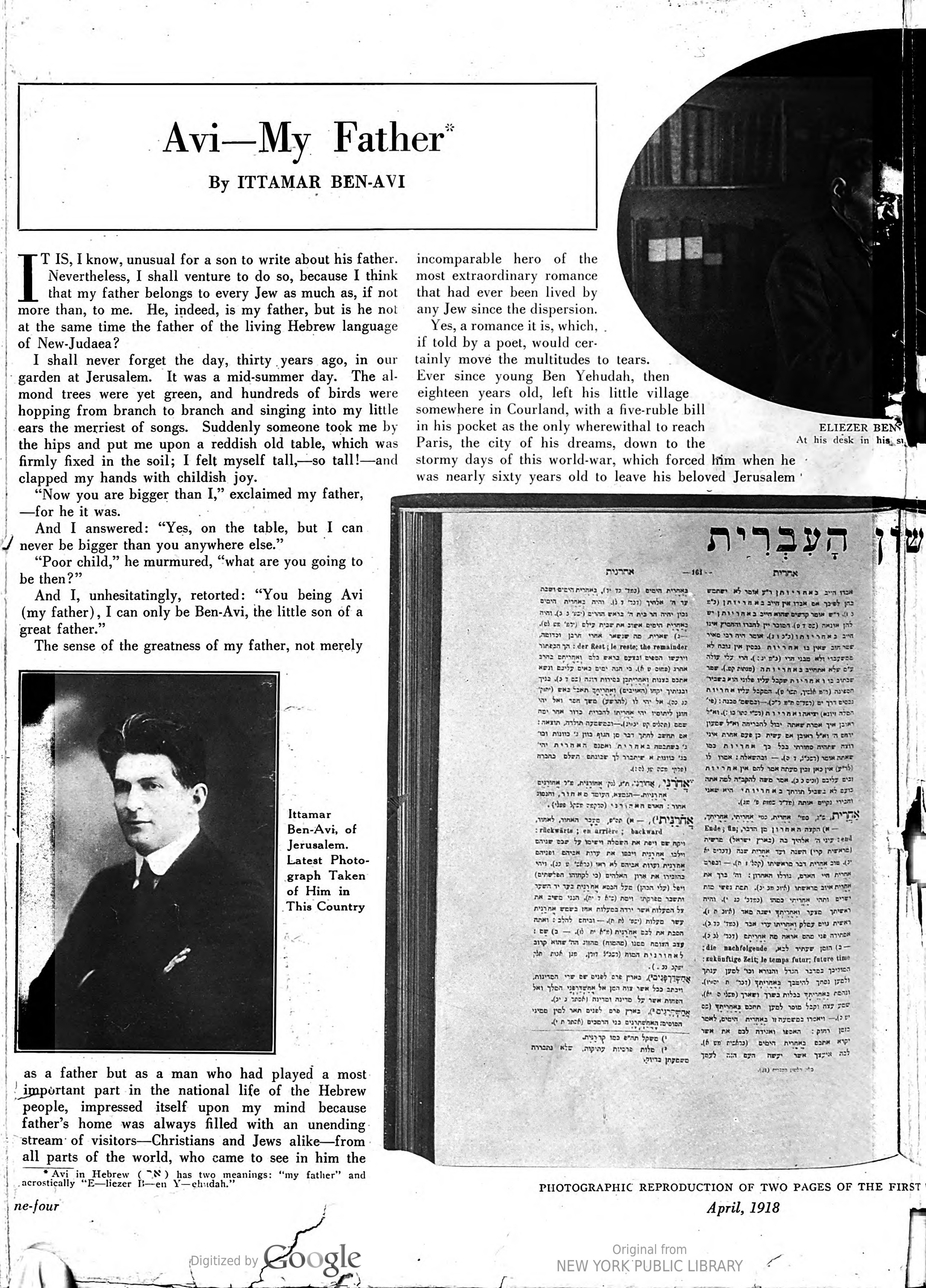
* Avi in Hebrew (N) has two meanings: "my father" and acrostically "Eliezer Ben Yehudah."
ne-four
incomparable hero of the most extraordinary romance that had ever been lived by any Jew since the dispersion.
Yes, a romance it is, which,if told by a poet, would certainly move the multitudes t
Ever since young Ben Yehudah, then eighteen years old, left his little village somewhere in Courland, with a five-ruble bill in his pocket as the only wherewithal to reach Paris, the city of his dreams, down to the stormy days of this world-war, which forced was nearly sixty years old to leave his belo-
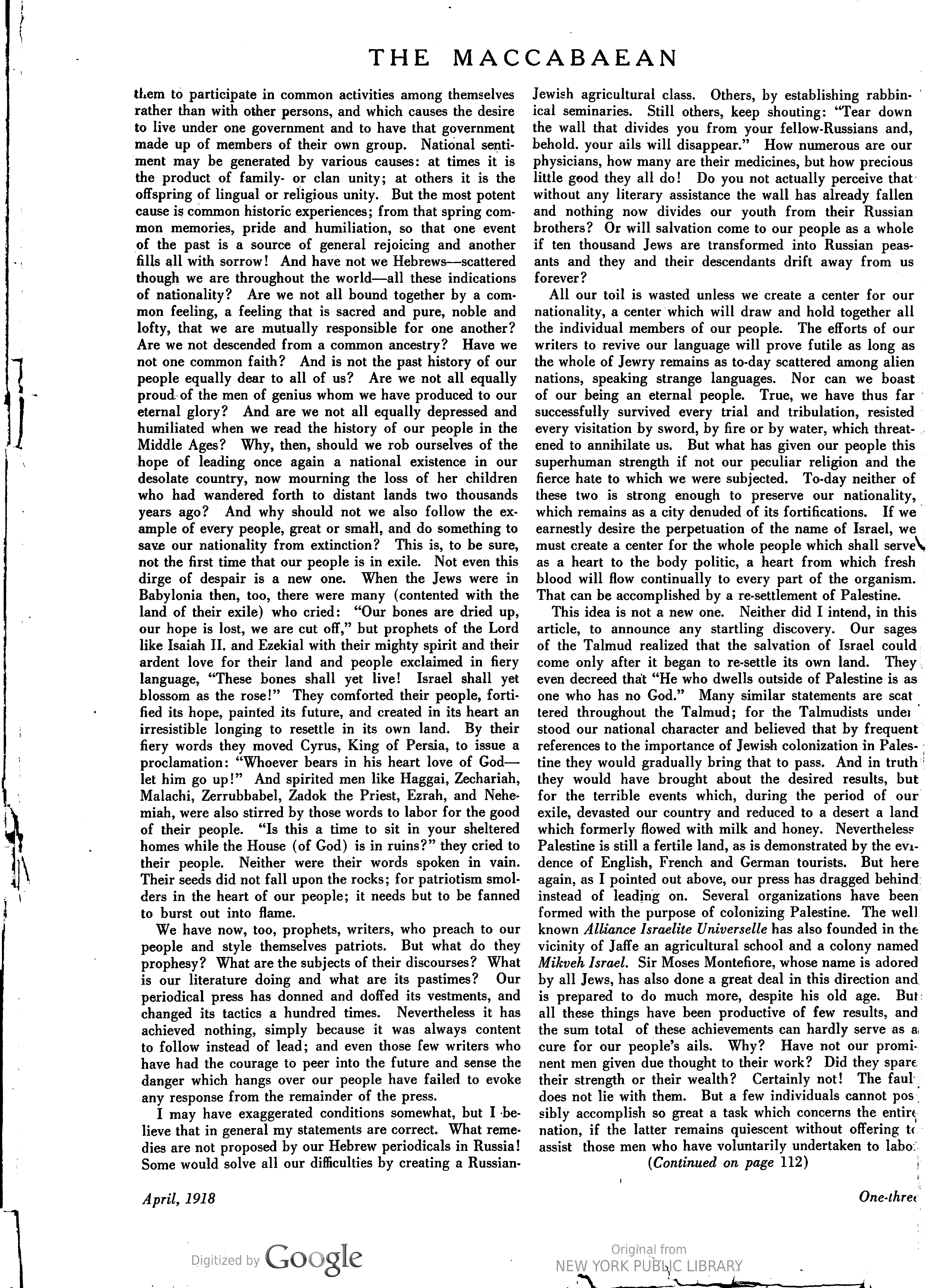
ELIEZER BENAt his desk in his si
העברית
אחריו
באתרית הימים (במד' כד יד), באחרית הימים ושבה עד ה' אלהיך (דבר' ל ג). והיה באחרית הימים נכון יהיה הר בית ה' בראש ההרים (ישע' ב ב). והיה באתרית הימים אשוב את שבות עילם (ירמ' מט לו). — (ב) שארית, מה שנישאר אחרי חרבן וכדומה, der Rest; le reste; the remainder; הן הכפתור וירעשו הספים וכצעם בראש כלם ואחריתם בחרב אתרג (פמוס ט ה). כי הנה ימים באים עליכם ונשא אתכם בצנות ואחריתכן בסירות דגנה (עמ' ל כ). בניך ובנותיך יקחו (האויבים) ואחריתך תאכל באש (יחזק' כג כה). אל יהי לו (להרשע) משך חסר ואל יהי חונן ליתוסיו יהי אחריתו להכרית כרור אחר יסת שמם (תהלים קט יג-יד).—ובמשמעה תולדה, תוצאה; אם תחשב להוך דבר מן הגוף בוון ב' כוונות וכר' ב' בשתכמת באחרית' ואמנם האחרית יהי' בב' כוונות א' שיתברר לך שבונתם תשלם בחברה (פרקי מכה תן לה).
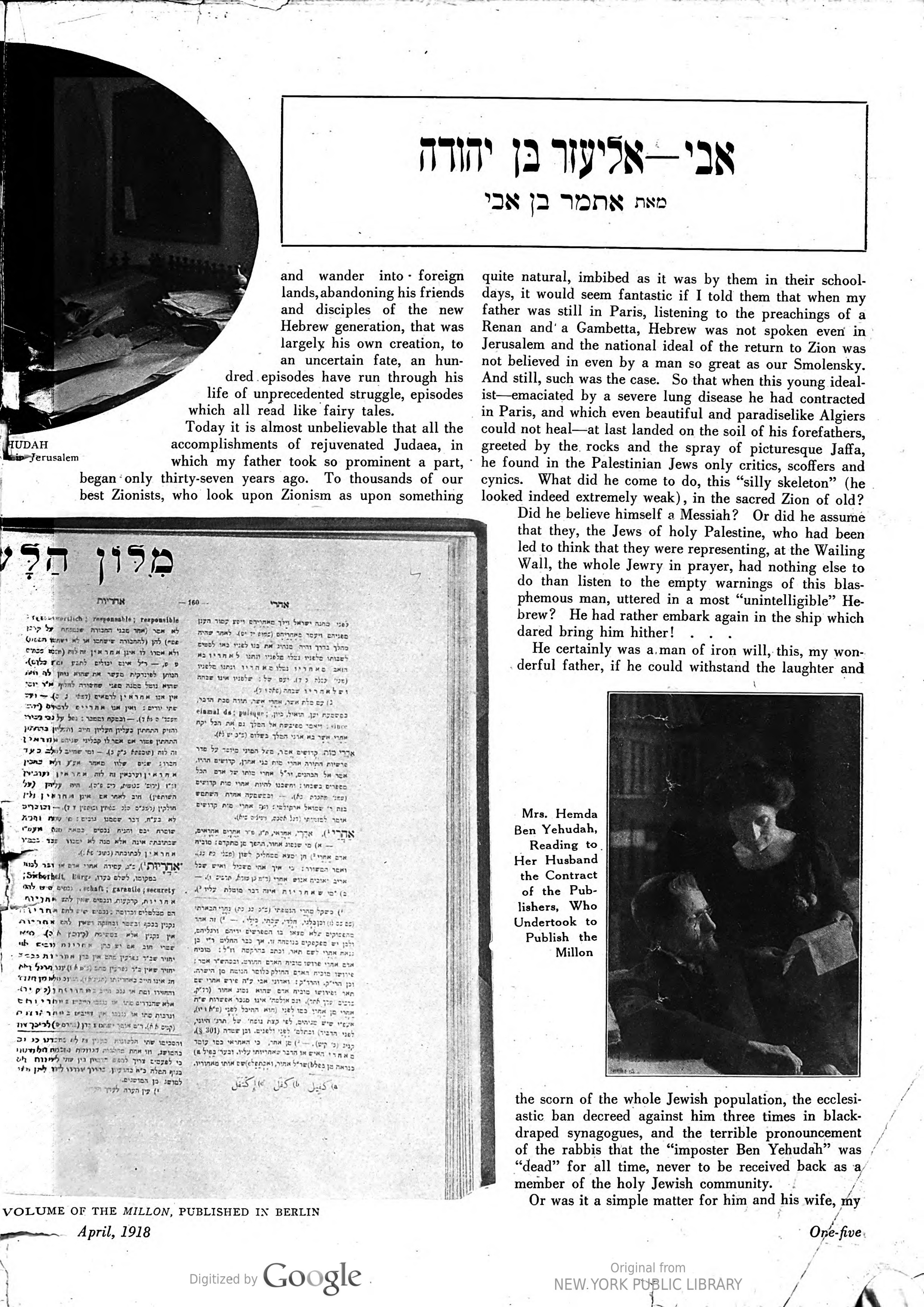
"אֲחֹרַנִּי" אֲחֹרַנִּי: מ"ג נקי אֲחֹרַנִּיּוֹת, מ"כ אֲחֹרַנִּיםאֲחֹרַנִּיּוֹת—תִּמְצָא, הָעוֹמֵד מֵאֲחוֹר, וְתִמְצָאאֲחוֹר: הָאָדָם הָאֲחוֹרַנִּי (מִקְמָה מִקֵּן פְּפְלִי).
אחרונית'), — א) קמ"ק, סקבר האחור, לאחור, : rückwärts ; en arrière ; backward ויקח שם ויפח את השפלה וישימו על שכם שניהם וילכו אחרונית ויכסו את ערות אביהם ופניהם אחרונית וערות אביהם לא ראו (כרמ"י פ כנ). ויורי בהזבירו את ארון האלהים (כי לקחותו הפלשתים) ויפל (עלי הכהן) מעל הכסא אחרונית בעד יד השער ותשבר מפרקתו וימת (כ"ל ד יה). הנני משיב את על המעלות אשר ירדה במעלות אחד בשמש אחרונית עשר מעלות (ישעי לח ח). — וכיהם להלכ : ואחת הסבת את לכם אחרונית (מ"ל יח לו). — ב) שם : עצב הצופה מסנו (מרמות) מהווה הה' שהוא קרוב לא אחרונית המות (כככ"ל דוק). מנן לטת חלקי פקד כ. . ). באשדרתויר? רארא פים לפנ'ם שם שיי המרונות.
ל ?םי רשלוא = ריר ה 0% anon ככל yew צוה yer אל אחַשדרְפנִי הסלך. ואל הפתות אשר על סרינה וסרינת (*סתר כ יכ). COME בארץ פים לפנים תאר לסין מסיגי הפוסים: האחשתונים כני הרסכים posh) )(- לי י) משקל eran כסו קררגית. mbes? פרסיות לתיקות, = MS נתכררה
5 1"7, 25 ספי' | אתרית, כסי. אחרותי, אחו : -- א) הקעה ה א חר ון pS הדבר, ;85 ; 6 pong rend אלהוך בה (בארץ ישראל) מו (פראשית pen (Hp ועד PAF AMAR )937 'כ). סוכ אהרית דבר מראשיתו 39p) + ת). -- ו אחרות wa הארם, גורלו האחרון : וה' בון MN איוב מראשתו (%יוכ פכ יכ). תמת נפשי ENE? ותהי אחרותי snes (כפזג' כנ י) wee מצער yan ישגה rh) tp ראשית pu עםלק ואחריתו עדי אבד (נעז' ; אפתיוה פני מהס שה מה אתריתם )91 | --3) הוסן שעתיר nachfolgende ess inftige Zeit; le temps futar; fatare time המוליכך כסרבר הגרל. והגורא וכו" לסען ולסען 402 להימבך באחריתף' (דכר' yp. YN RS POU} בכלות בשוך ושארך Sop) > שסק עצה וקכל. row למען = תחכס באחרית] A? ויאסרו במשמעה זר באחרית = הוסיסו כוסן | ותוק + האספו ואטורת לבס את יקוא אתכם באחרית | היםים | (כ50שית po לבת איקצך See יקשה | העם הזת